Direct answer: Vacuum failure and leaking lids can often be reduced by confirming lid fit, seal design, vacuum process checks, sample testing, packaging protection, and final inspection requirements.
Verification note: Compliance, certification, lead-time, pricing, defect-rate, capacity, and brand-relationship claims must be verified for the specific product and purchase order.
Common causes include lid-fit mismatch, seal design issues, tolerance variation, gasket problems, and insufficient sample or pre-shipment inspection checks.
Buyers should define vacuum performance checks where relevant, sample testing requirements, inspection checkpoints, packaging protection, and acceptance criteria before production.
Let’s picture a common yet devastating scenario for drinkware brands: You’ve poured time and budget into a large-scale marketing campaign targeting markets across North America and Europe, and your newly launched branded stainless steel tumblers are enjoying a hot sales streak at first. But just a few weeks later, a crisis hits without warning. Your Amazon product pages are swamped with 1-star negative reviews, and your customer service team is overwhelmed with complaints about two critical product flaws—tumblers leaking liquid into customers’ backpacks, and hot coffee turning cold in a mere two hours.
In today’s fiercely competitive global drinkware industry, functional defects are far more than just a trigger for rising product return rates. What’s worse, they can inflict irreversible damage on your brand’s hard-earned reputation, eroding customer trust and making it difficult to regain market share even with subsequent improvements.
As a professional stainless steel drinkware manufacturer rooted in Wuyi, China, JOOYO Drinkware’s engineering team has built long-term cooperative relationships with numerous global brands through high-quality OEM and ODM services over the years. We’ve witnessed countless cases where brands suffer heavy losses because their suppliers cut corners in production to offer seemingly low prices, even though the products look identical to high-quality ones on the surface.
The reality is that the outward appearance of stainless steel tumblers can be deceptive. The real quality and performance of a tumbler are determined by the sophisticated engineering details hidden in its production process. In this comprehensive guide, we will take an in-depth look at the entire manufacturing process, uncover the root causes of vacuum insulation failure and lid leaking issues, and share practical tips to help you safeguard your brand by selecting a dependable supply chain partner.
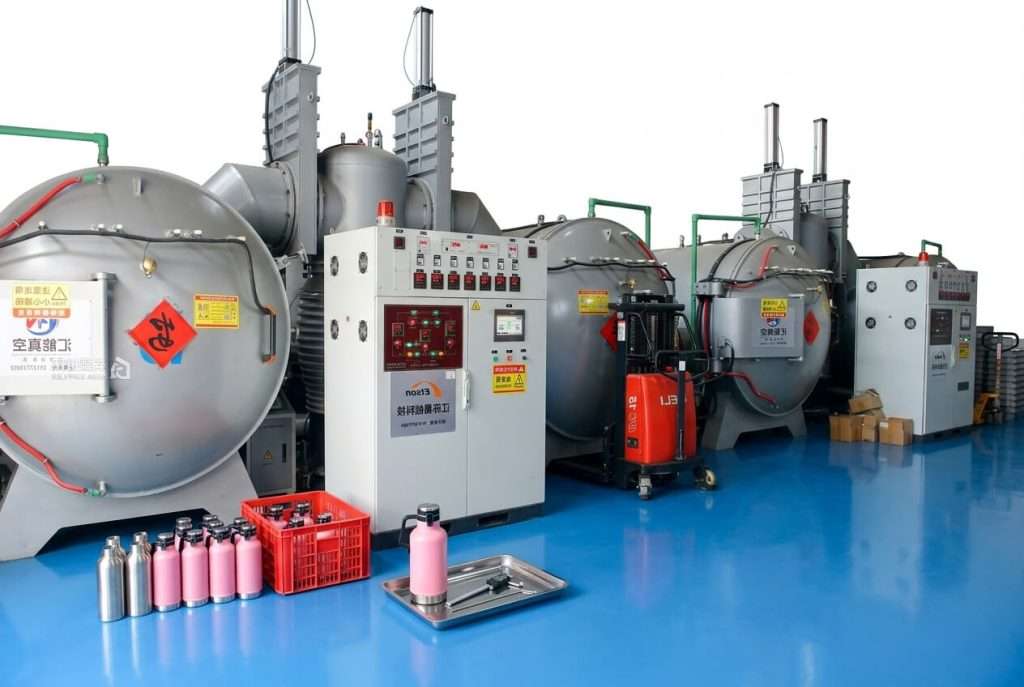
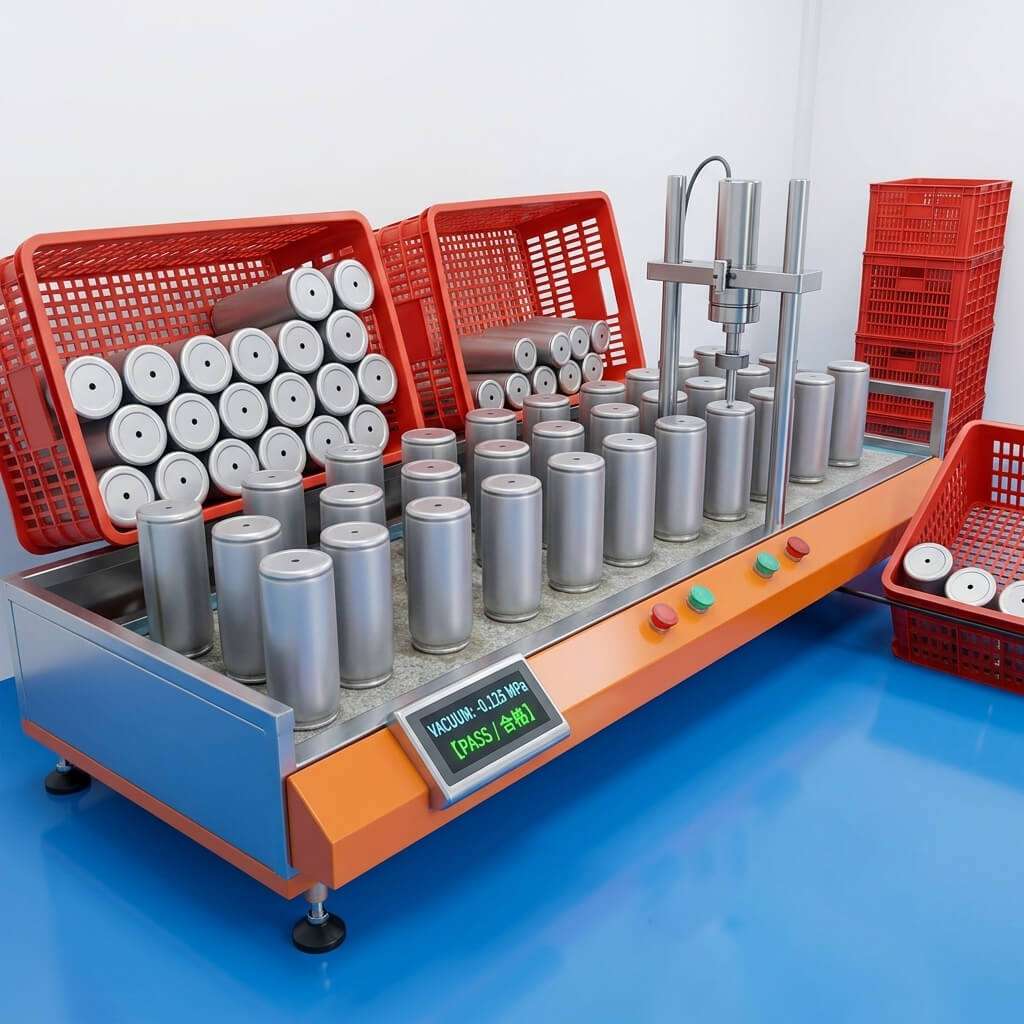
The core function of a stainless steel insulated tumbler—keeping drinks ice-cold for up to 24 hours or piping hot for 12 hours—entirely depends on the airtight integrity of the vacuum layer between the inner and outer stainless steel walls. Once this vacuum layer is damaged, the tumbler loses its insulation effect and becomes no different from an ordinary heavy metal cup. Below, we break down the most common manufacturing flaws that lead to vacuum failure:
Micro air leaks, known as micro-cracks or sand holes at the welding seams, are the number one culprit behind vacuum failure.
A large number of low-cost manufacturing factories still stick to manual welding to connect the inner and outer shells of tumblers. Manual welding is highly dependent on the skill and stability of workers, and it’s impossible to achieve consistent precision. Even a tiny operational error can create microscopic gaps that are invisible to the naked eye. Over time, or after a slight drop during daily use by consumers, air will slowly seep into these gaps, instantly destroying the tumbler’s thermal insulation performance.
The Effective Solution: High-quality drinkware manufacturing must adopt automated robotic laser welding technology. This advanced process ensures a completely seamless and structurally perfect welding joint every single time, eliminating the risk of micro-leaks at the source and guaranteeing the long-term stability of the vacuum layer.
Creating a high-standard vacuum layer is a process that requires sufficient time and energy input. During production, the semi-finished tumblers are placed in a high-temperature vacuum furnace, where all air between the double walls is extracted to form a complete vacuum.
However, many unqualified suppliers cut corners here to reduce electricity costs and speed up production efficiency. They take the tumblers out of the furnace long before the vacuum pumping process is completed, resulting in only a partial vacuum inside the double walls. These tumblers may pass a short 1-hour temperature test in the factory, but in real daily use, their thermal retention performance will degrade sharply after just a few weeks, failing to meet the stated insulation standards.
The vacuum layer can effectively block heat transfer through conduction and convection, but it cannot prevent heat radiation, which is a key factor affecting long-term insulation effects. To address this problem, high-end insulated drinkware requires a professional copper plating layer on the outer surface of the inner stainless steel wall. This copper layer acts like a mirror, reflecting thermal radiation back into the drink and maintaining the beverage’s temperature for a longer time.
Since copper plating adds additional raw material and processing costs, most low-end manufacturers choose to skip this vital step entirely. Without this copper plating layer, customers will clearly notice that their hot drinks cool down much faster, especially in cold outdoor or indoor environments, making the tumbler fail to meet their daily insulation needs.
No, a lost vacuum seal in a tumbler is irreversible. Once air enters the vacuum layer through micro-cracks, the thermal insulation is permanently destroyed. You cannot “re-vacuum” a finished cup. The only solution is strictly controlling the manufacturing process with automated robotic welding to prevent leaks before they ever reach your warehouse.
For premium OEM manufacturing, the defect rate should be extremely low. At JOOYO Drinkware, our AQL standard strictly limits functional defects, such as leaking lids or vacuum failure, to under 0.5% through 100% water leak and temperature retention testing.
The fastest method for QA inspectors is the Boiling Water Touch Test. Fill the tumbler with boiling water, secure the lid, and wait for 5 minutes. Touch the outside of the stainless steel body. If the exterior feels hot to the touch, the vacuum seal is broken. A properly insulated flask will remain completely cool on the outside.
This is a classic sign of cheap, non-food-grade silicone gaskets. Low-quality silicone becomes overly soft and warps when exposed to high temperatures, breaking the airtight seal. To prevent this, always ensure your supplier uses FDA or LFGB-certified food-grade silicone rings, which maintain their structural integrity under extreme temperature fluctuations.
Functional flaws like leaking lids and cold coffee lead to 1-star reviews and lost customers. Protect your brand by partnering with a reliable Chinese manufacturer that puts engineering and quality control first.
At JOOYO Drinkware, we utilize 100% automated robotic welding and individual vacuum testing to ensure your wholesale order is flawless.
Contact JOOYO Drinkware today for a factory-direct quote and request a physical sample.
WhatsApp us
Fast-track your custom stainless steel drinkware launch. Enter your email to get our complete catalog and direct-from-factory pricing sent straight to your inbox.