Taza de viaje Cup-Holder Fit: A Measurement Checklist for Buyers

To assess travel taza cup-holder fit, compare the taza’s lower-body profile with the holder’s opening and usable depth, then try the assembled sample in the intended holder. Base diameter is only the starting point: a wider shoulder, low handle or nearby console can stop a taza before it seats. For wholesale buyers, the useful outcome is a clear sample decision supported by dimensions, photographs and an identified holder.
Start with the intended application
Replace “fits standard car cup holders” in the sourcing brief with the applications your customers actually use. Identify the vehicle make, model, model year and relevant console version, or the brand and version of a standalone holder. Give front and rear holders separate entries when both matter.
With the vehicle parked, inspect the opening, internal taper, bottom and any adjustable fingers or removable inserts. Note the configuration and follow the vehicle or holder fabricante’s instructions. Keep required components in place during the review.
If you sell across several markets, select the applications that matter most to the range. Compatibility wording should reflect those reviewed combinations rather than promise a fit in every vehicle.
Measure the profile above the base
Ask for a dimensioned drawing of the selected taza and compare it with the physical sample. List the base diameter separately from the outside diameter at stated heights above the base. Use the same reference point and units throughout the worksheet.
A tapered foot may enter easily while a wider section contacts the holder farther down. Include any sleeve, base ring or exterior accessory in the assembled measurements. For an oval or irregular body, specify the relevant widths and orientation instead of reducing the shape to one diameter.
When browsing wholesale coffee taza styles, shortlist candidates by lower-body shape, handle position and lid arrangement as well as capacity. Ask for missing dimensions before arranging the sample comparison.
Find the actual seated position
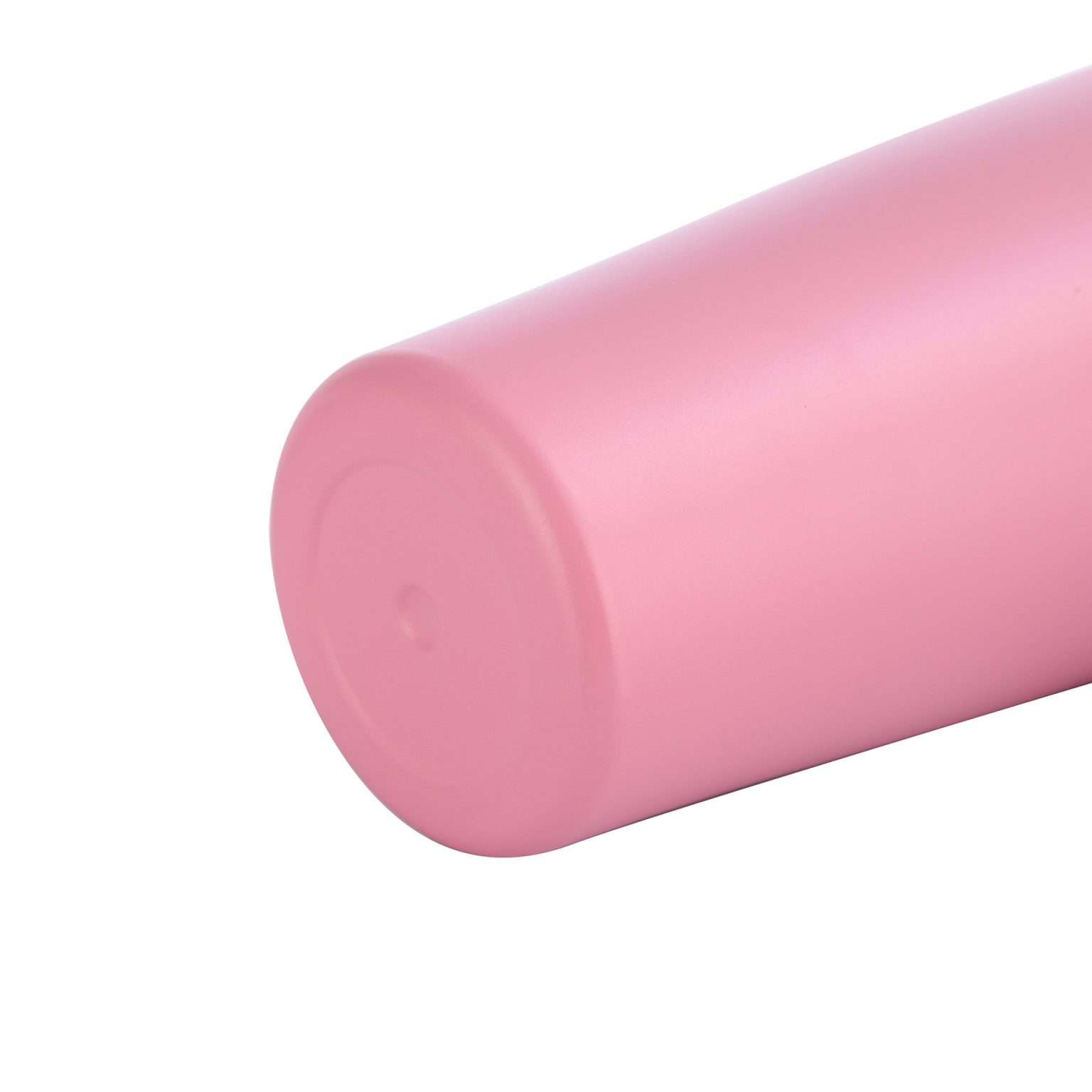
Measure the holder’s accessible depth and identify anything that reduces it. Lower the sample into place without forcing it. Does its bottom reach a supporting surface, or does the body, shoulder or handle stop it first?
A side-view photograph with the holder rim as a reference helps show the seated position. Note whether the taza stays upright, rocks or binds against the holder. Agree on the intended acceptance criteria before comparing candidates so the buying decision follows the same method for each sample.
Keep this review stationary: a successful parked fit check does not establish stability during driving. Follow the vehicle fabricante’s operating guidance for use in the vehicle.
Allow room for the handle and your hand
Look beyond the holder opening. Nearby trim, an adjacent cup, the armrest and console controls can restrict a handled taza even when its body fits. Try the orientations a customer would reasonably need and note any restriction.
Lift the sample out with an ordinary grip, then insert it again. Watch for snagging, rubbing and the amount of tilting needed to clear the console. Consider whether the available grip remains practical when the adjacent holder is occupied, if that is part of your intended application.
These observations can help distinguish candidates that look equally suitable on a product drawing. A narrower base is not automatically the better choice if the handle becomes difficult to reach.
Include the selected lid
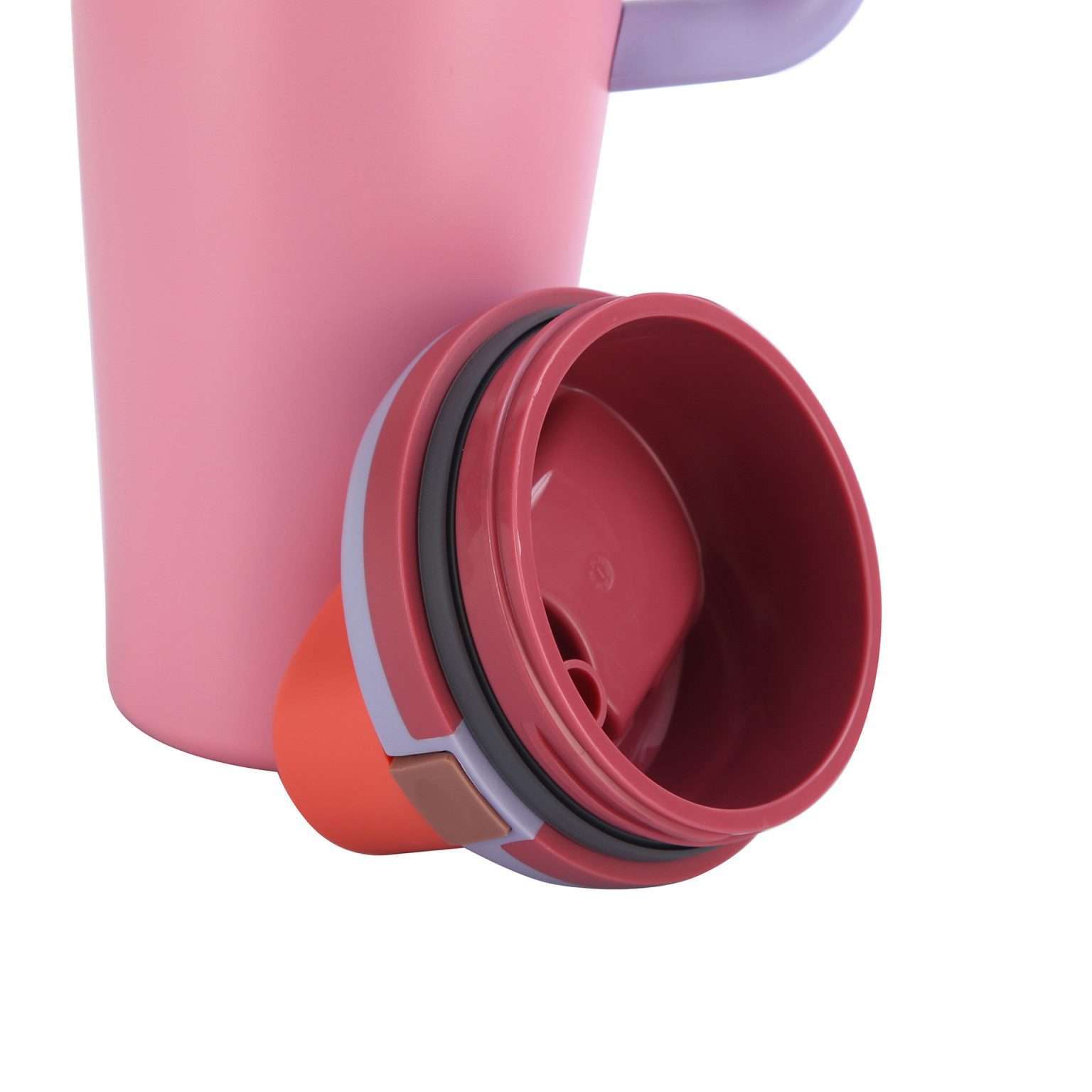
Fit the lid customers will receive and repeat the relevant movements. Assess access to the drinking opening, slider or straw, and whether the lid changes how the taza must be lifted or oriented. Follow the product’s intended use and care instructions.
For a range with spare lids, keep the lid version in the sample record. The replacement tumbler lid sourcing guide covers the separate task of matching replacement components to the cup.
Use the observations to choose a sample
In this hypothetical example, a buyer compares two handled tazas for a commuter gift range. Both narrow bases enter the same holder. Muestra A stops when its handle meets the console. Muestra B seats farther down but leaves little room for a comfortable grip.
The buyer could request another candidate, reconsider the handle position or limit the product to a more suitable application. The useful distinction is the reason each sample falls short, rather than a vague “doesn’t fit” comment sent back to the proveedor.
A sample record your team can reuse
Use one sheet for each taza-and-holder combination:
- Muestra: taza ID, drawing revision, lid version and exterior accessories.
- Aplicaciones: vehicle and console details or holder model, location and insert setting.
- Dimensions: base size, body widths at stated heights and usable holder depth.
- Observations: seated depth, contact points, rocking, handle orientation and insertion/removal effort.
- Decision: accepted, rejected or awaiting clarification, with the reason, photographs, reviewer and date.
Revisit the relevant observations when the taza, lid or holder configuration changes. Keep the decision with the sample record so purchasing and marketing teams work from the same evidence.
Preguntas frecuentes breves para compradores
Is base diameter enough to confirm fit?
No. The body profile, insertion depth and surrounding clearance also matter. Compare the assembled sample with the identified holder.
Should each lid version be reviewed?
Include every version intended for the order where it changes access, orientation or handling.
What should I send with a sample request?
Send the target applications, holder details or measurements, preferred taza and lid, and proposed acceptance criteria. Request a sample o contact JOOYO Drinkware to discuss the selected configuration and the information needed for your review.
Respuesta directa
JOOYO Drinkware apoya a los compradores B2B que obtienen botellas de agua, vasos, tazas de viaje y tazas de café de acero inoxidable personalizados de Wuyi, Zhejiang. Los proyectos pueden incluir selección de productos, coordinación de muestras, opciones de empaque, soporte ODM y material solicitado por el comprador, contacto con alimentos, control de calidad o documentación de fábrica, cuando corresponda.
Preguntas frecuentes del comprador
¿Puede JOOYO Drinkware respaldar proyectos personalizados de bebidas de acero inoxidable?
Sí. JOOYO Drinkware respalda proyectos personalizados de bebidas de acero inoxidable, incluidos colores, marcas, empaques, coordinación de muestras y soporte ODM según el producto seleccionado y los requisitos del pedido.
¿Se pueden organizar documentos de cumplimiento o de prueba?
El material solicitado por el comprador, el contacto con los alimentos, el control de calidad o la documentación de fábrica pueden respaldarse cuando corresponda al producto, el mercado de destino y la orden de compra.
¿Dónde se encuentra JOOYO Drinkware?
JOOYO Drinkware tiene su sede en Wuyi, Zhejiang, China, y presta servicios a compradores B2B en los mercados de EE. UU. y Europa.


